
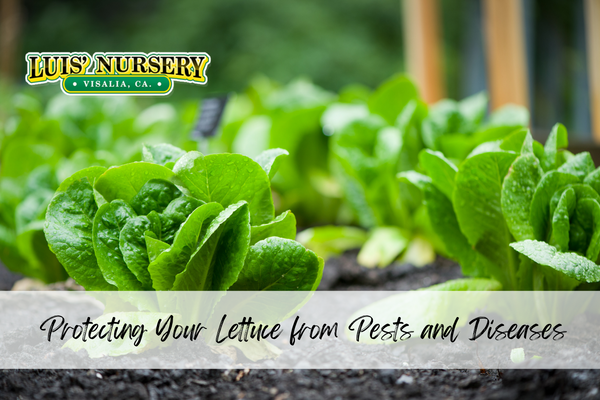
With all of the effort we have put into growing our lettuce and our salad gardens we want to do our best to keep them safe and protected from the various pests and diseases that lettuce commonly struggle with. We’ve compiled a list of a few things that can harm your lettuce and what you can do about it.
Common lettuce pests
Rabbits – Little bunny foo foo might be cute, but he certainly is an enemy to your lettuce garden. We don’t need to call out Elmer Fudd. You can deter rabbits using fencing, traps as well as rabbit-resistant companion plants such as onions or rhubarb.
Deer – Deer can be fun to watch, but not when they are eating your lettuce. You can use netting, planting techniques and several landscaping methods to help keep your lettuce safe without harming the deer.
Earwigs – Definitely less cute than the above, earwigs can do a lot of damage. They chew and bite through stems and cause seedlings to wither and die. One chemical-free way to rid your garden of earwigs is to stuff a flowerpot with newspapers and leave it overnight. In the morning a bucket of soapy water will reveal the earwigs that you’ve captured.
Birds – While we enjoy attracting birds to our garden, we also want to keep our beloved seedlings safe from curious birds. Bird netting can solve this issue.
Cabbage Looper – Cabbage loopers are non-discriminate when it comes to vegetables, but lettuce is one of its favorite delights. Birds love to eat cabbage loopers, so they might help solve this problem as well as ladybugs, lacewings, spiders and wasps. You can also handpick them off and their eggs, but this takes some time. Neem oil is a great organic spray that you can use to help long-term.
Common lettuce diseases
Rust – This is one of the most common lettuce ailments and it makes your lettuce look just plain icky. Rust appears on lettuce partially harvested as well as picked. When lettuce is damaged it causes a chemical reaction to occur containing ethylene gas. If you pick your lettuce leaves before the rust appears it’ll reduce it spreading. If you see it show up remove the infected head.
Bacterial leaf spot – Black and brown spots appear on the leaves and then they die off or struggle. Usually this happens when there are bacteria in the soil that get into your lettuce either through improper planting techniques or water splashing. The only way to avoid spread is to remove the infected leaves. Unfortunately, there is no cure.
Fusarium Wilt – This is a fungus that is very hard to control, and it causes a yellowing of the lettuce. You can remove the infected leaves or the whole thing depending on how infected it is.
Damping off – Damping off can be avoided by not planting your lettuce in cold or overly moist soil. If your seeds appear healthy at first and then they wilt and collapse this is probably due to damping off. If your soil is well-drained and you don’t overwater it will help you to avoid this issue.
Lettuce can be fairly easy to grow and produce and as long as you keep all of these tips in mind you will always have a healthy supply of lettuce for your table throughout the growing season. We are happy to answer any questions you might have and hope to see you soon.