
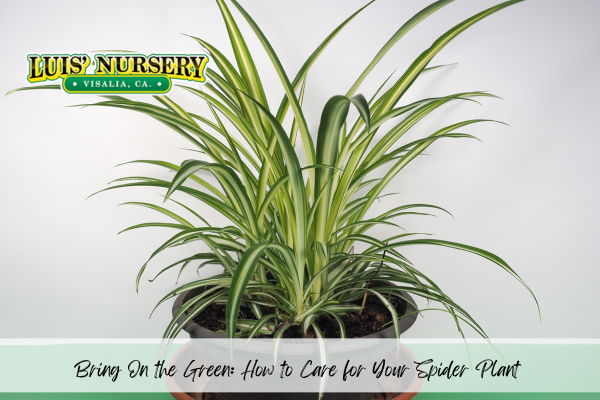
If you’re looking for a houseplant that’s both gorgeous and easygoing, meet one of our all-time favorites: the Spider Plant (Chlorophytum comosum).This cheerful classic is perfect for new plant parents and seasoned gardeners alike — graceful, forgiving, and endlessly rewarding with its cascading leaves and adorable “baby plants” that seem to multiply overnight. We wanted to take a moment to walk you through everything you need to know to keep your spider plant happy, healthy, and thriving!
Why We Love Spider Plants
What’s not to love? Spider plants have earned their spot as one of the most popular houseplants in the world, and for good reason:
- They’re easy to care for. No need to stress about a perfect routine — these plants are adaptable and resilient.
- They’re naturally air-purifying. Spider plants help clean your indoor air while adding vibrant green life to any corner.
- They multiply easily. Those little “pups” that grow on long stems are ready to become new plants — it’s like getting free greenery from your original plant!
- They fit any style. Whether you love a bright modern look or a cozy, natural vibe, spider plants bring instant charm to hanging baskets, shelves, and countertops.
Planting & Placement Tips
- Choose the right pot. Terracotta or clay pots with drainage holes work best. Spider plants dislike sitting in soggy soil, so proper drainage is key.
- Use a well-draining mix. Pick up a quality cactus or houseplant mix here at the nursery — it’ll keep those roots healthy and happy.
- Find the right light. Bright, indirect light is ideal. Think morning sun or a few feet back from a sunny window. Too much direct sunlight can cause leaf tips to burn.
- Rotate occasionally. Give your plant a gentle turn every few weeks so it grows evenly and stays lush on all sides.
Watering & Humidity
Spider plants like balance — not too dry, not too wet.
- Water when the top inch or two of soil feels dry to the touch.
- Make sure any extra water drains away fully. In our warm Central Valley climate, you may need to water a bit more often in summer.
- If you notice brown tips, it can sometimes be caused by minerals in tap water. Switching to filtered or distilled water can help.
- Keep them comfortable in average indoor temperatures (around 65–75°F) and away from drafts or heating vents.
Keeping It Looking Fresh
A little upkeep goes a long way.
- Trim any brown or yellow leaves at the base to keep your plant tidy.
- Wipe the leaves occasionally with a damp cloth to remove dust and help the plant “breathe.”
- Fertilize once a month during spring and summer with a gentle, balanced houseplant fertilizer. Check out some of our options at the nursery!
How to Grow Baby Spider Plants
Did you know that spider plants make babies?? One of the most fun parts of owning a spider plant is watching it grow baby offshoots — often called “pups” or “spiderettes.”
Here’s how to grow them into new plants:
- Wait until the baby has small roots starting to form.
- Snip it from the main stem using clean scissors.
- Place the baby in water or directly into soil until roots grow stronger.
- Transplant it into its own pot once it’s rooted and sturdy.
You can keep them all together for a full, lush look — or pot them up individually and share with friends!
Common “uh-oh’s” and how to fix them:
- Yellow leaves: Usually a sign of overwatering. Let the soil dry more between waterings and check that your pot drains well.
- Brown tips: Often caused by tap water minerals or inconsistent watering. Trim off the tips, flush the soil with fresh water, and use filtered water going forward.
- Wilting: Could mean too much water, too little water, or poor drainage. Check the roots and adjust as needed.
- Pests: Spider plants are generally pest-resistant, but if you ever spot tiny insects or sticky residue, just give your plant a gentle rinse and use a mild, plant-safe spray.
Here in Visalia (Zone 9), spider plants can enjoy life indoors or even outdoors in shaded or partially shaded areas. Keep them protected from direct afternoon sun and bring them inside when nighttime temperatures drop below 55°F. They look beautiful in hanging baskets on porches, shaded patios, or tucked under trees where they get bright, filtered light.
At Luis’ Nursery, we think spider plants are the definition of a “happy houseplant.” They’re graceful, low-stress, air-purifying, and always eager to grow more.
They’re a wonderful reminder that even the simplest greenery can bring calm, freshness, and life to your home — whether it’s a cozy kitchen window or a sunny Visalia patio.