
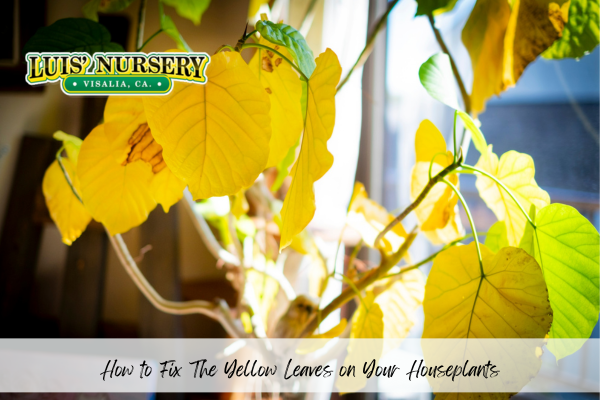
Few things worry plant parents more than noticing yellowing leaves on their beloved houseplants. While this can be alarming, there is good news: yellow leaves are actually your plant’s way of communicating that something is off. Not all yellow leaves are a cause for concern. It is normal for older, lower leaves to die off or for plants to slow down and lose leaves seasonally. Simply trim yellow leaves with clean scissors and continue your regular care routine. By learning to recognize these signals, you’ll find that most problems can be identified and resolved with relative ease. Let’s break down the most common reasons your plant’s leaves may be turning yellow, and what steps you can take to address the issue.
Overwatering: The #1 Culprit
Soft, limp, or falling yellow leaves are most frequently caused by overwatering. When roots remain in overly wet soil, they cannot access sufficient oxygen. This scenario results in plant stress and can eventually lead to root rot.
How to Fix Overwatering
• Allow the soil to dry out between waterings.
• Ensure the pot has proper drainage holes.
• Empty water from saucers after watering.
• Check the roots and trim any that appear mushy or black.
Rule of thumb: Most houseplants prefer to dry out slightly before their next watering.
Underwatering
When lower leaves become crispy and yellow, the plant likely needs more water. Signs of underwatering include dry, compacted soil, leaves that feel thin or papery, and wilting even though the soil is dry.
How to Fix Underwatering
• Water thoroughly until excess drains out from the bottom.
• Establish a consistent watering schedule. It might be a good idea to set a reminder.
• Repot the plant if the soil fails to absorb water.
Light Problems
Houseplants require the right amount of light. Too little light may cause pale yellow leaves and leggy growth, while excessive light can result in yellow leaves with brown, scorched patches.
How to Fix Light Issues
• Move plants closer to or farther from windows, depending on their needs.
• Rotate plants every few weeks to ensure even light exposure.
• Use sheer curtains to soften intense sunlight.
Nutrient Deficiency
If older leaves are turning yellow and new growth appears weak, the plant may be lacking nutrients. This often occurs when there has been a long gap between feedings or if the soil is depleted.
How to Fix Nutrient Deficiency
• Feed with a balanced houseplant fertilizer.
• Follow the fertilizer label directions—do not exceed recommended amounts.
• Fertilize mainly during the spring and summer.
Root-Bound or Pot Issues
Roots that have outgrown their container can cause leaves to yellow due to stress. Warning signs include roots growing out of drainage holes, water running straight through the pot, and slow or stalled growth.
How to Fix Pot Issues
• Repot the plant into a container that is 1–2 inches larger in diameter.
• Use fresh, well-draining potting mix.
• Gently loosen roots when transplanting the plant.
Temperature & Stress
Sudden temperature changes can shock your plant and cause yellowing leaves. Stress triggers include cold drafts, heat vents, frequent moving, and recent repotting.
How to Minimize Stress
• Maintain a stable environment for your plants.
• Avoid placing them near doors or vents.
• Give newly repotted plants time to acclimate.
Check for Pests
Yellow leaves accompanied by sticky residue or tiny spots may point to a pest infestation, such as spider mites, mealybugs, or aphids
.
What to Do About Pests
• Isolate the affected plant.
• Gently rinse the leaves.
• Treat with insecticidal soap or neem oil.
Yellow leaves are not a sign of failure, but rather an indicator that an adjustment may be needed. With careful observation and timely care, most houseplants recover quickly and reward you with new, healthy growth. If you are unsure about your plant’s needs, bring a photo or a sample leaf by Luis’ nursery for expert diagnosis and advice.